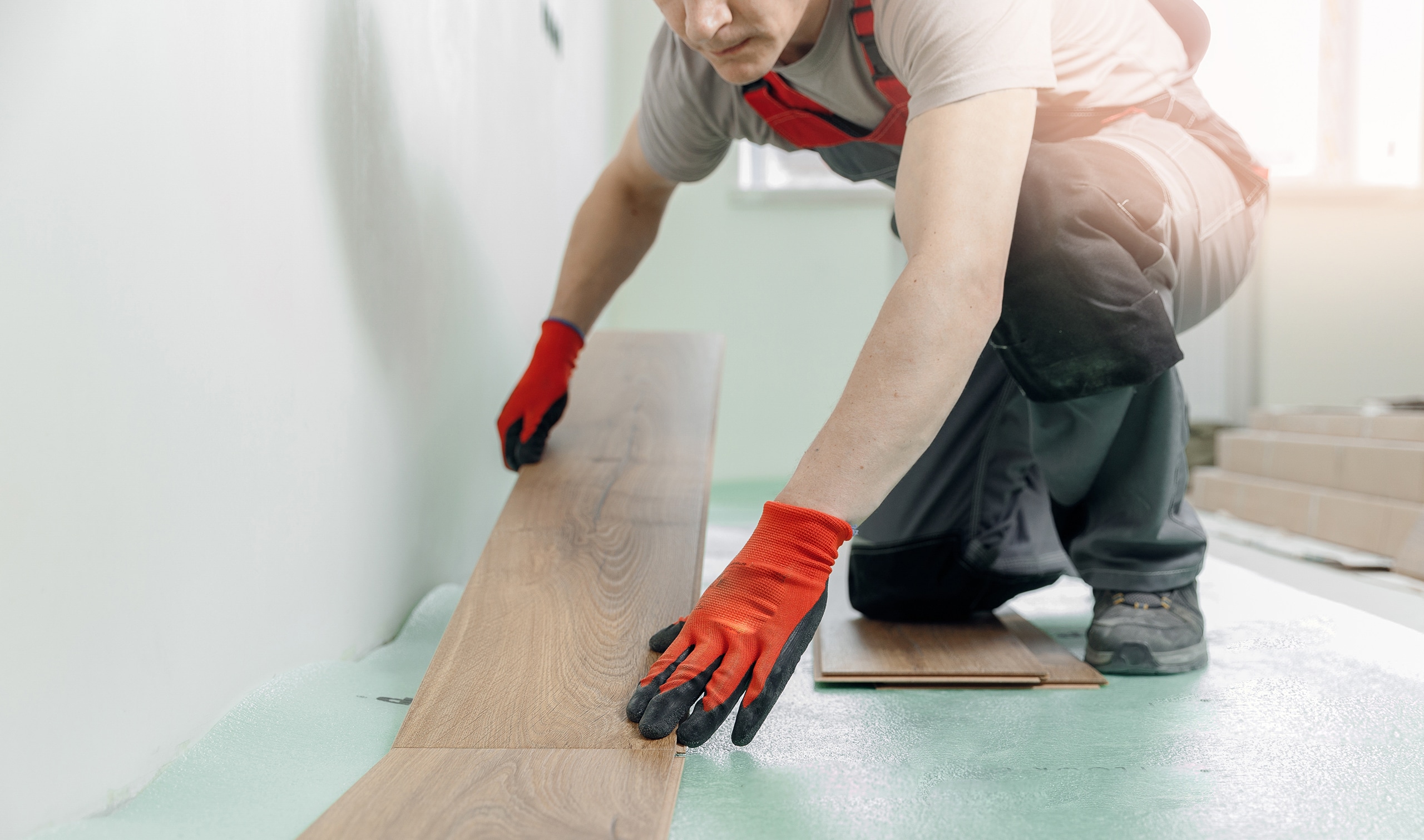
20 Top Suggestions For Deciding On Floor Installation
Wiki Article
The Best Flooring Types For Philadelphia's Climate And Humidity
Philadelphia doesn't get talked about enough to be a truly challenging environment for floors. It's situated in a region that experiences real winters dry cold, cold air that expands wood -- and actually humid summers that force moisture into every aspect of the. Take into consideration that a large proportion of the house inventory is old and without a consistent climate in each room, and you'll be faced with conditions that show the weaknesses of any flooring that's not in a good fit with the environment. Whatever works to work in copyright or Seattle isn't necessarily applicable to homes in Philadelphia. This guide provides a breakdown of how each of the major flooring types performs in Philadelphia homes throughout all four seasons.
1. Solid Hardwood demands respect for the Climate
Solid hardwood is not an inexpensive option in Philadelphia. It is extremely durable when installed appropriately, properly acclimated and maintained in a residence with a constant humidity -- ideally between 35 and 55 percent all the time. When those conditions aren't met the wood will show seasonal gapping at the beginning of winter and then cupping in summer. Older houses that aren't equipped with central air or even a consistent distribution of heat are the riskiest environments for solid hardwood. This doesn't mean it's the wrong choice, but it is a reason that making a proper installation and ongoing humidity management a necessity.
2. Engineered hardwood was specifically designed specifically for This Climate
The layered cross-ply of engineered hardwood can withstand the expansion and contraction process that cause solid wood to move throughout the year. It is a real hardwood for the exterior –real grain, real character, refinishable depending on wear layer thickness -- with significantly more dimensional stability underneath. For Philadelphia homes, particularly those in Bucks County and Montgomery County where older construction meets unpredictable basement moisture, engineered flooring achieves a desirable sweet spot that solid wood can't meet in a variety of conditions.
3. LVP is the most climate-friendly option available
Luxury vinyl flooring doesn't absorb humidity, doesn't expand when exposed to dry winter air, and doesn't care whether your HVAC is on the go or not. For Philadelphia homeowners who live in basements, below-grade rooms, or rooms that move dramatically during the seasons LVP is the flooring with the ability to keep running. LVP flooring that is waterproof has grown to be one of the more sought-after services from flooring companies across Delaware County and South Jersey precisely because homeowners have learned this lesson, often after an incident with moisture caused by different flooring.
4. Laminate could be the weakest climate Connector in the Lineup
Laminate flooring looks a lot like LVP on paper but behaves significantly differently in humid environments. It has a wood-fiber core that swells up when wet, and then absorbs moisture. near the edges, and after the damage has started it's not going to reverse. In a dry, climate-controlled Philadelphia home, it's able to perform successfully for many years. If you have a kitchen with a rowhome layout, basements or any room which has high humidity levels, laminate can be a problem. Cheap flooring installation quotes often feature laminate in locations that LVP would be a better spend.
5. Porcelain Tiles Refuse Philadelphia's Humidity
For pure water resistance The porcelain tile is a top choice. It doesn't expand, it doesn't constrict, doesn't hold water and is able to outlast any other flooring option that is used in humid or wet environments. It's very cold underfoot in winter. rough on joints and the grout needs to be maintained. Ceramic tile installation in Philadelphia bathrooms and kitchens has remained well-known for a reasonIt's the perfect technique for those rooms in this weather.
6. Ceramic Tile Works but Has Porosity Limitations
Ceramic tile is just a notch below the porcelain tile in density and resistance, but is still superior to any wood-based floor option that is suitable for wet locations. It is a great option for bathroom tile installation and ceramic flooring on kitchens and bathrooms in Philadelphia homes, it's a viable option, particularly when budgets are a consideration since ceramic typically costs less than porcelain square feet. One of the main differences is that ceramic should not be used in areas with potential exposed to freezing or standing-water outside applications are areas where porcelain can clearly win.
7. Wide Plank Hardwood Needs Extra Humidity Management
It's a point that a lot of homeowners discover too late. Wider planks of hardwood (five inches or above are more agitated with changes in humidity as compared to narrow strips of flooring. In the climate of Philadelphia, broad plank solid wood in an environment with no tight humidification can cause visible gaps in winter. These can be closed again in summer. Flooring contractors who deal regularly with wide plank will discuss this matter upfront. People who don't are prepping you for the worst winter ever with your new floors.
8. Subfloor Moisture Is a Separate issue from Ambient Humidity
These are two distinct problems and require different options. Ambient humidity can affect how wood flooring expands and contract during the summer. Subfloor moisture -- such as vapor emission through concrete slabs wicking through older board subfloors and inadequate ventilation for the crawlspace -- are a direct risk to adhesive bonds and floating flooring stability. A thorough subfloor assessment before anyone installs flooring within Philadelphia, Bucks County, or Delaware County homes should include moisture readings, not only visual inspection.
9. The Acclimation Time is Not Required in This Region
The flooring made of hardwood needs to adjust to the particular environment of your home prior the installation typically, between 3 and 7 days during the time it is in your space. In Philadelphia that is not done or in a hurry, this step is the reason why you end ending up with floors which move significantly following installation because it wasn't fully acclimated to the environment in which your home is. Installers who are licensed to install flooring schedule the time needed for acclimation into project timetables. The contractors who show up and start installing the same day the material arrives are making a mistake which will exhibit.
10. The Best Climate Choice Is Always Site-Specific
An Montgomery County home with a complete basement, central HVAC and constant year-round humid control is an entirely different experience from an Philadelphia rowhome with radiator heat, no air conditioning, and a damp cellar below. Flooring that works well in one will struggle in the other. The flooring contractors worth hiring in this particular area don't suggest products from catalogs -They study the environment of your home and match the material to the space it will remain in for the period of the next twenty years. See the top rated
free flooring estimate Philadelphia for more recommendations including kitchen tile flooring Philadelphia, flooring contractors Bucks County, vinyl plank flooring Philadelphia PA, floor installation Bucks County PA, flooring contractors Bucks County, hardwood floor installation cost Philadelphia, laminate floor contractors Philadelphia, best flooring contractors Philadelphia, luxury vinyl plank installation Philadelphia, vinyl plank flooring Philadelphia PA and more.
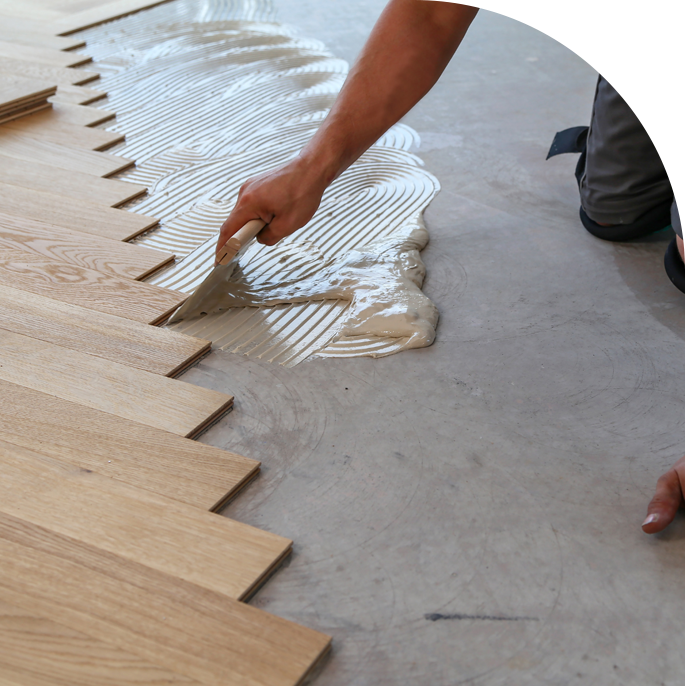
How Do You Find A Flooring Contractor Who Is Licensed? Contractors In Philadelphia
Finding flooring contractors in Philadelphia is simple. Finding a licensed, insured reliable one who can be accessible six months after the installation if anything goes wrong -- it's a matter of actual effort. The Philadelphia metro area offers a wide assortment of flooring companies: established companies with decades of local work legitimate independent operators with expertise, and an extensive list of inexperienced contractors who compete on cost alone. They then go away when difficulties arise. Bucks County, Montgomery County, Delaware County, and South Jersey all have their specific local contractor markets with similar levels of quality. Here's how to navigate it without having to go through the process.
1. Know what the term "licensing" actually means in Pennsylvania
Pennsylvania has a requirement for home improvements contractors, which includes flooring installers to register at the Attorney General's Office under the Home Improvement Consumer Protection Act. This is in contrast to trade licenses and it's an obligation of the law, not a mark of extraordinary quality. A flooring company operating in Philadelphia and the surrounding counties that do not have this registration is operating outside of the law before they've even touched your flooring. You can confirm registration status via the Pennsylvania Attorney General's website before an individual contractor steps foot inside your home.
2. Insurance is non-negotiable and easy to Check
General liability insurance shields your home should a contractor has a problem with it during the construction. Workers' compensation insurance protects you from liability if an employee is injured on your property while working. Both of these should be current and certified. If you're a flooring contractor, ask the one who you're considering for proof of insurancethey should not lie and claim that they've got one, but an actual certificate that bears the name of the insurer and the policy number. A reputable flooring company will check this document on a regular basis and will not hesitate to do so. Contractors who rescind or delay in response to this request are telling you something very important.
3. Local Reviews Give You More Than Star Ratings
Flooring contractor with an 4.8 median and 200 feedback on Google is more valuable than one that has a 5.0 and 11 reviews. Check the reviews' text in addition to the stars. Be sure to look for specific references to how problems were resolved -all contractors have jobs that don't go as planned, and the ones that are worth hiring are those who came in, communicated, and fixed the issue. Philadelphia flooring reviews with a focus on specific neighborhood, floor types and results from projects are more reliable than general five-star acclaim. Cross-reference with Google, Yelp, and the BBB to get a more complete picture.
4. Be Specific about Experiences with Your Floor Style
Flooring isn't just a single trade. One contractor has put in LVP in 500 houses may only have a few years of experience working with nail-down solid hardwood, engineered hardwood that is glue-down over concrete, or large-format porcelain tile. If you're looking at estimates for hardwood floor installation in Philadelphia You should ask them directly how many similar jobs they've done in the past one year. Ask if it's possible to call a current reference. Contractors that are confident in their experiences are able to answer this question. Anyone who does not respond with generic reassurances are worth scrutinizing more closely.
5. The Cost-Free Estimate Visit Shows More Than the Quote
A reputable flooring service in Philadelphia will offer a no-cost estimate, which includes a visit to your home. The standard of the visit whether they thoroughly evaluate the subfloor, if they ask about moisture history and the clarity with which they explain their service scope you more about the contractor than their number that they note after the visit. A contractor who takes at least 45 minutes studying your space and asks you detailed questions is performing differently than one who comes in, assesses the space and then hand you a list of numbers in ten minutes with no regard to anything beyond the floor.
6. Get Three Itemized Quotes Before Deciding Anything
Three quotes is a minimum for any flooring installation job in Philadelphia of a substantial size. What is more important than the sum is what each quote comprises: subfloor preparation, material removal and disposal bases, transition strips furniture moving, as well as the cleanup after installation. Quotes that only provide a single cost per square foot without no breakdown of the price are enticed one to explore those items later on, at the end of the project, when you've got less influence. Quotes with itemized prices let you compare companies on a level playing field rather than comparing one's all-in price against another's stripped-down floor number.
7. Neighborhood Reputation Can Still Carry Real Importance in Philadelphia
The Philadelphia metropolitan area -- city suburbs, inner-ring suburbs and counties stretching out to Bucks and Delaware -- is driven by relationships in ways that still matter for tradesmen's work. The process of asking neighbors, block associations, or local community Facebook groups who they've employed and trusted to install flooring in their home yields the result that no search engine appears. A flooring contractor who did a great job on your block or within your township can have a reputation to protect in a manner that a flooring contractor from across the area does not. This referral network, which is informal, remains under-utilized and incredibly valuable.
8. Look out for the Patterns unlicensed Operators Use to Share
Certain traits are common among contractors who are cutting corners on licensing and insurance. Payments made in cash. Inability to create a written contract. Quotes given verbally without any written. No physical address for the business and only a mobile number. You must make a quick decision before the price changes. Subcontractors showing up on install day who you'ven't ever met and who were not included in the estimate. The results of any one of these aren't 100% accurate, but the presence of at least two of them should be enough to send you back your list of vetted flooring contractors.
9. Cross-County Lookups Increase Your Options without sacrificing quality
A few of the top flooring contractors in Philadelphia properly are based out of Montgomery County, Delaware County, or South Jersey and work across the metropolitan area frequently. The only limit to Philadelphia-based companies can be limiting the options. What matters is their familiarity with Philadelphia's particular housing stock which includes rowhomes, old subfloor conditions, common concerns with moisture and so on, in addition to the city line the shop is on. If you're looking for a Bucks County flooring contractor with excellent Philadelphia references is worth a call.
10. A written contract safeguards both Parties and Defines the Job
Before you start any work there should be a signed contract that specifies that the flooring material is specified, including the their brand and name, the installation method as well as the subfloor preparation, payment schedule, the project timetable, and the consequences should hidden subfloor damage is discovered during the course of work. Contractors who are licensed to install flooring use contracts to ensure that they follow standard procedure. The contract shouldn't be a sign or a sign of suspicion, it's the document that helps keep a good working relationship intact If something unexpected occurs between the initial day for installation, and final walkthrough. Follow the top Take a look at the most popular floor installation Delaware County PA for more recommendations including solid hardwood floor installation Philadelphia, hardwood floor installation Bucks County, flooring installers South Jersey, floating hardwood floor installation Philadelphia, affordable flooring installation Philadelphia, laminate flooring installation Philadelphia, waterproof flooring installation Philadelphia, tile flooring contractors Philadelphia PA, nail down hardwood flooring Philadelphia, flooring installers South Jersey and more.